Most divers don’t get into trouble because they lack gear. They get into trouble because they chose the wrong gear for the dive they were actually doing. Accessories are treated like add-ons, but underwater, small tools carry real weight. A weak clip, a dim light, or a dull cutter can turn a calm situation into a stressful one fast. Smart divers build their kits with purpose, not impulse. That mindset changes how you buy scuba diving accessories
.
At Fire Dive Gear, we talk to divers every week who learned lessons the hard way. Usually, it starts with a gear that looks fine on land and failed in the water.
Everyone likes saving money. But underwater equipment lives in salt, pressure, and sand. Cheap metal corrodes. Plastic fatigues. Switches flood. What seemed like a bargain becomes a repeat purchase, sometimes mid-season. Reliable scuba diving accessories are built with marine-grade materials and seals that hold up after dozens of dives, not just the first trip.
A narrow-beam light might be perfect for spotting critters on a night reef dive, but useless in murky water where you need spill and width. Thin gloves feel great in warm shallows and miserable at depth in cold currents. Gear has context. Good divers think through visibility, temperature, depth, and task before choosing scuba diving accessories. The ocean is not a showroom.
It happens all the time. Divers buy oversized clips, long coils, or bulky mounts because they seem easier to handle. Then they get in the water, and everything dangles. Drag increases. Lines snag. Task loading goes up. Streamlining is not about looking technical. It is about reducing clutter so your brain stays on the dive, not your dangling gear.
Redundancy sounds like overkill until a primary light dies on a night dive or a cutting tool drops out of reach. Backup does not mean extra weight. It means smart placement of compact, reliable tools. Certain scuba diving accessories fall into the must-have-twice category: lights, cutting devices, and sometimes even masks.
Underwater camera setups are where this mistake shows up the most. Filters that do not match the light spectrum. Arms that do not balance buoyancy. Chargers that do not fit liveaboard power setups. But it also applies to simple gear like mounts and clips. Before buying scuba diving accessories, check how they connect, where they sit, and how they affect trim. Small mismatches create big annoyances underwater.
Good gear still needs care. Salt crystals creep into threads. O-rings dry out. Batteries sit discharged for months. Then a diver blames the product when it fails. Rinse thoroughly, dry completely, and store with intention. Your future self on the boat will be grateful.
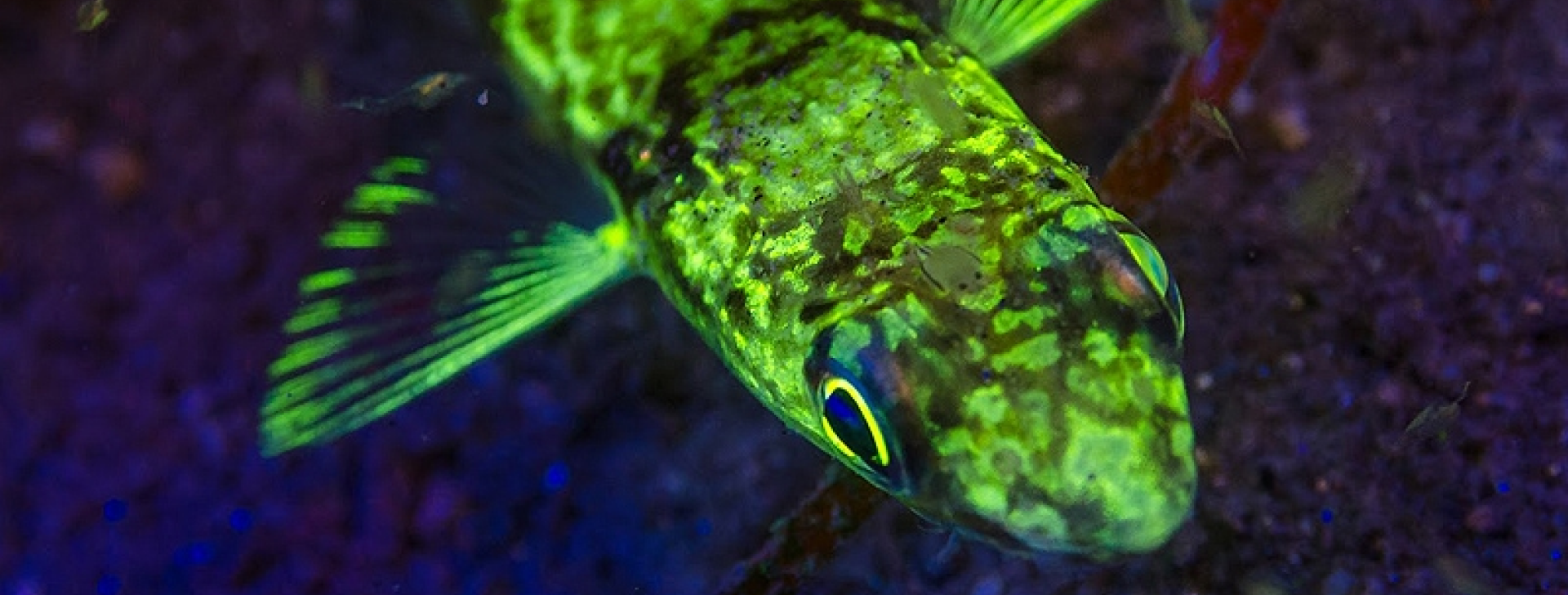
Many divers buy entry-level accessories, then upgrade within a year as their skills expand. If underwater photography, fluorescence diving, or advanced night work is on your radar, buy modular systems early. It saves money and frustration. We see this pattern often at Fire Dive Gear, especially with lighting and optical accessories.
Gear should make diving smoother, not busier. The right tools disappear into your workflow and show up exactly when needed. That is the standard we believe in at Fire Dive Gear. If you are refining your kit or stepping into more advanced diving, we are here to help you choose dependable scuba diving accessories that match real dive conditions. Explore our range and build a setup you trust when it matters most.
Look for anodized aluminum, marine-grade stainless steel, double O-ring seals, and sealed switches. If materials are not listed clearly, that is usually a red flag.
Yes. Lines, fishing gear, and kelp are unpredictable. Two cutting devices in different locations give you options if one hand is pinned.
A balanced beam with a bright center and usable spill works best for most situations. Extremely tight beams are more specialized.
Inspect and clean O-rings regularly, especially after heavy use. Replace seals at the first sign of wear, not after a flood.
You can always reach out to the team at Fire Dive Gear. We help divers select reliable scuba diving accessories suited to their environment, experience level, and dive goals.
If you have any questions, comments or suggestions – PLEASE don’t hesitate to contact us.